Food Valley of Bjuv
Changing consumer needs and behaviour give rise to new demands on the future methods of production and handling of food. Imports of fish and vegetables today represent a substantial proportion of consumption, especially as the popularity of these foods is increasing.
Consumers also increasingly demand ethical and locally produced food. Therefore, locally and sustainably produced food is one of the most important factors to secure and develop the future of the Swedish food industry.
Industrial symbiosis
The companies in Bjuv have long experience of taking advantage of each other's residual flows. In a circular economy, nothing is regarded as waste, but as a resource.
Food Valley of Bjuv is a cluster where entrepreneurs and innovators get together to develop the future of food production and food companies. Networking and cooperation between research, entrepreneurs and industry is an important part in meeting future consumer and market demand.
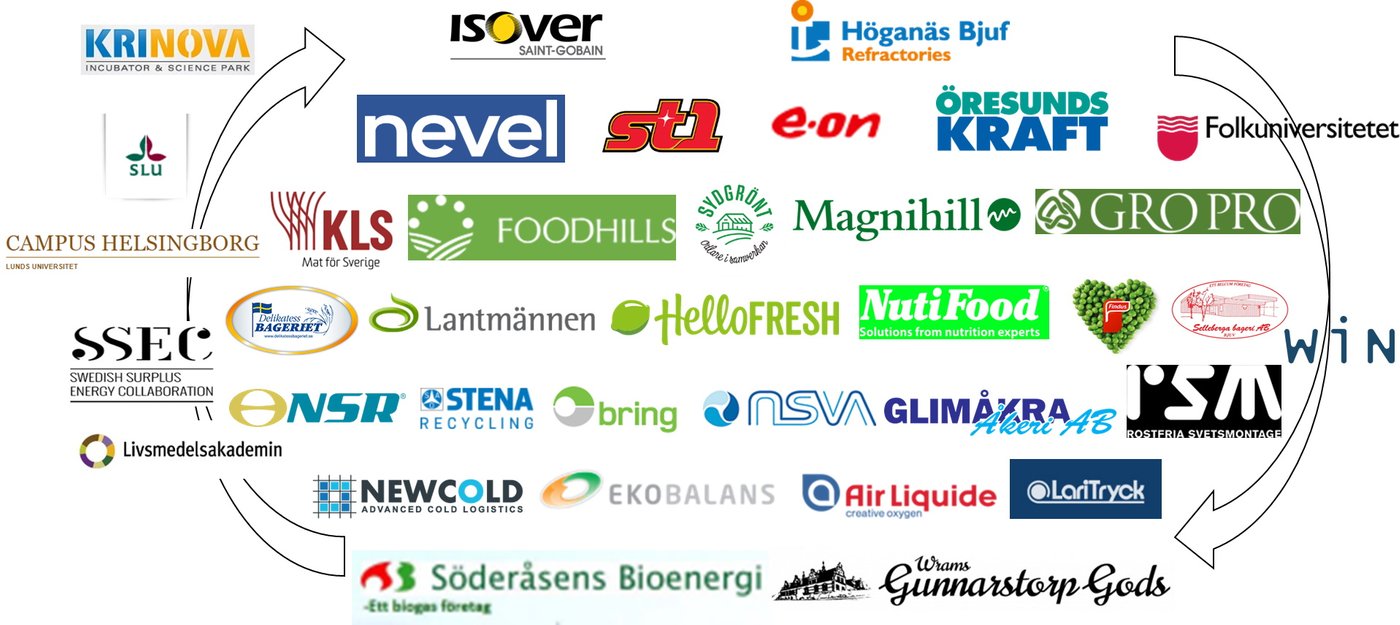
Industrial cluster
Food Valley of Bjuv has several focus areas; sustainable food production - Green impact industry park, onshore fish farming, greenhouse cultivation, extraction of vegetable protein, innovative packaging industry and development of related supportive industry.
The area offers an existing infrastructure adapted for sustainable and circular food production. Approved real estates, high capacity biological sanitation plant and residues are handled by the biogas plant. Bjuv municipality and adjacent landowners focus on sustainable food production and offers expansion opportunities.
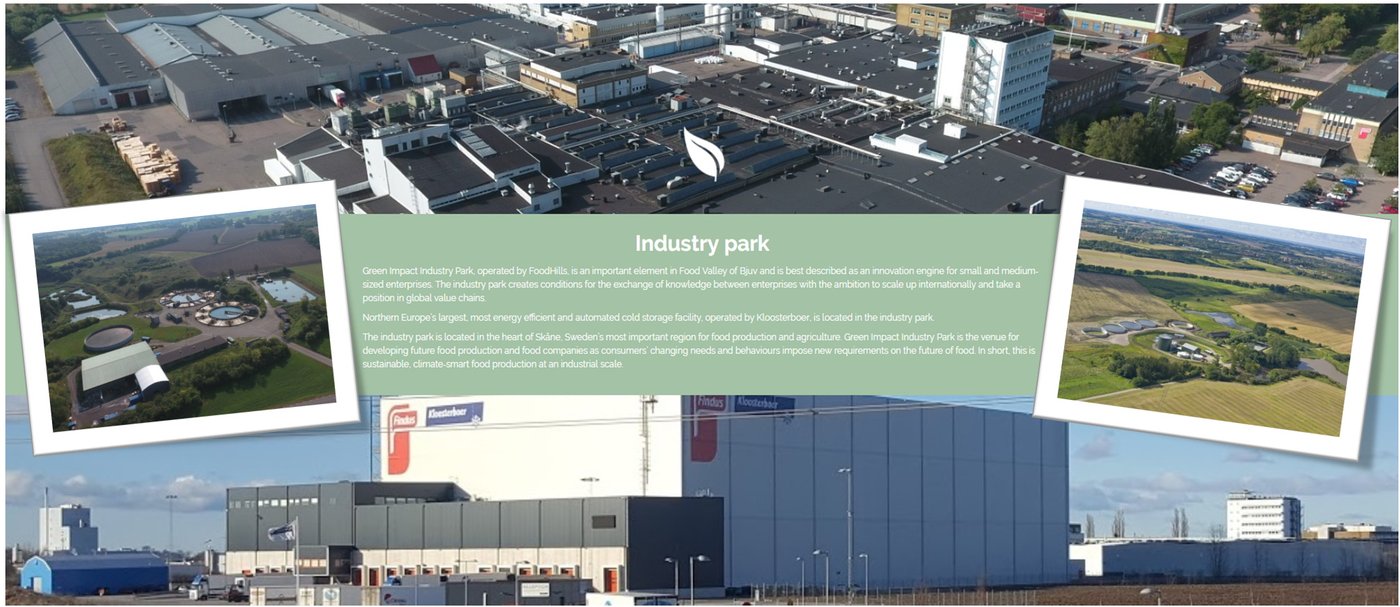
Green impact industry park
Green Impact Industry Park is an important element in Food Valley of Bjuv and is best described as an innovation engine for small and medium‐sized enterprises. The industry park creates conditions for the exchange of knowledge between enterprises with the ambition to scale up internationally and take a position in global value chains.
The industry park is located in the heart of Skåne, Sweden’s most important region for food production and agriculture. Green Impact Industry Park is the venue for developing future food production and food companies as consumers’ changing needs and behaviours impose new requirements on the future of food.
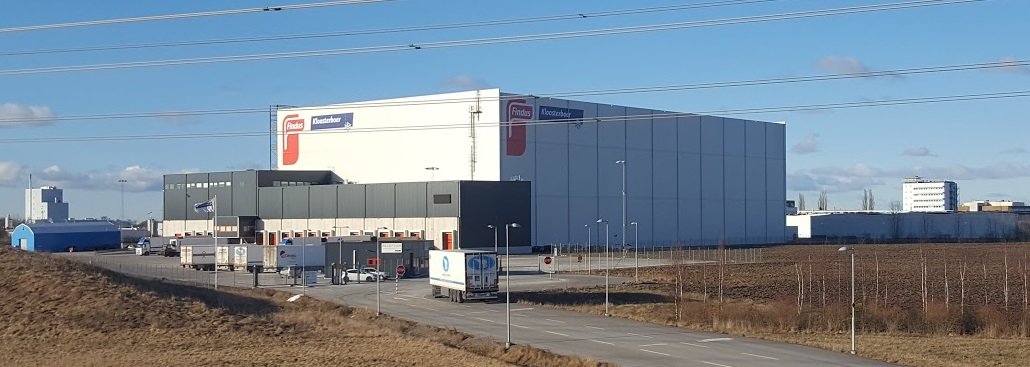
Logistics
Northern Europe’s largest, most energy efficient and automated cold storage facility has been finalised and started its operations in the industry park. In short, this is sustainable, climate‐smart food production at an industrial scale.

Member of Swedish Surplus Energy Collaboration - SSEC is a network that enables sustainable food production and better living environments through the use of residual heat and other unused resources. SSEC is a contractual network of public and private actors. It is the Swedish University of Agricultural Sciences (SLU) who is the principal.
Urban Food
SSEC enables a new Swedish, intensive, circular and symbiotic primary production of fish and vegetables in urban and industrial environments under the term "Urban Food".
Urban Health
SSEC enables new healthy living environments for people in urban environments, under the term "Urban Health".
Food Valley of Bjuv is also linked to innovation clusters and science parks such as Krinova Science Park (Sweden’s largest food incubator), Ideon Innovation (center for start-up businesses adjacent to the University of Lund), Food Evolution (Food Networks around Helsingborg and Food Academy, Sweden’s largest food clusters) and the Green Innovation Park Alnarp (GIPA